

 Online admission


Akademiyaning asosiy maqsadi boshqaruv kadrlari va mutaxassislarini tayyorlash, qayta tayyorlash va ularning malakasini oshirishning samarali tizimini tashkil etish, shuningdek, davlat xizmati, siyosati va boshqaruvi, iqtisodiyot tarmoqlari va sohalari hamda hududlarni boshqarish va rivojlantirish hamda inson resurslarini boshqarish, boshqaruv fani sohalarida fundamental va ilmiy-amaliy tadqiqotlar olib borish hisoblanadi.
О‘zbekiston Respublikasi Prezidenti huzuridagi Davlat siyosati va boshqaruvi akademiyasi boshqaruv kadrlarini tayyorlash, qayta tayyorlash va ularning malakasini oshirish, shuningdek, davlat xizmati, siyosati va boshqaruvi, iqtisodiyot tarmoqlari va sohalari hamda hududlarni boshqarish va rivojlantirish, inson resurslarini boshqarish, shuningdek, boshqaruv fanining boshqa sohalarida fundamental hamda ilmiy amaliy tadqiqotlar olib boradigan tayanch davlat oliy ta’lim muassasasi hisoblanadi. О‘zbekiston Respublikasi poytaxti Toshkent shahrida joylashgan.
1995-yil aprel oyida O‘zbekiston Respublikasi Prezidenti huzuridagi Davlat va jamiyat qurilishi akademiyasi sifatida tashkil etilgan. 2012-yilda ushbu ta’lim muassasasi O‘zbekiston Respublikasi Prezidenti huzuridagi Davlat boshqaruvi akademiyasi etib qayta tashkil etildi. Akademiya faoliyati O‘zbekiston Respublikasi Prezidentining 2025-yil 5-maydagi PF–78-sonli Farmoni asosida tubdan isloh qilinib, Davlat siyosati va boshqaruvi akademiyasi sifatida qayta tashkil etildi.
Main tasks and directions of the Academy's activities:
Organization of educational programs in cooperation with foreign organizations and their orientation toward the development of professional competencies of managerial personnel based on the requirements of national legislation and the recommendations of international organizations.
Organization of personnel training and systematic capacity development based on professional competencies formed with due consideration of the core recommendations of the Organisation for Economic Co-operation and Development, as well as national values and ethical norms.
systematic advanced training and retraining of civil servants, as well as training of managerial personnel at the stages of master's and postgraduate education
development of educational programs and projects aimed at the systematic development of the potential of state civil servants (hereinafter - state employees) and managerial personnel in accordance with best foreign practices
Implementation of educational and research processes through “education – research – practice” schools established at the level of faculties and departments based on advanced international experience.
Extensive use of digital and artificial intelligence technologies in the training and professional development of managerial personnel and civil servants, as well as the continuous enhancement of their digital competencies.
Full digitalization of educational and research processes, organization of the learning process in accordance with advanced international experience through the LMS system and the “Digital Academy” platform.
Conducting scientific research and developing practical proposals aimed at improving public service and governance, as well as ensuring the effective implementation of tasks and achievement of goals defined in the “Uzbekistan – 2030” Strategy and sectoral and industry development programs
 Educational Programs:
Admission to the master’s degree programs is based on state grants and paid contracts, including open competition. Graduates receive a state-recognized diploma and are awarded a master’s degree.
Retraining programs last up to six months in accordance with state standards, and participants are awarded a state-recognized diploma. Professional development courses last up to one month, and participants receive an official certificate.
 International Cooperation:
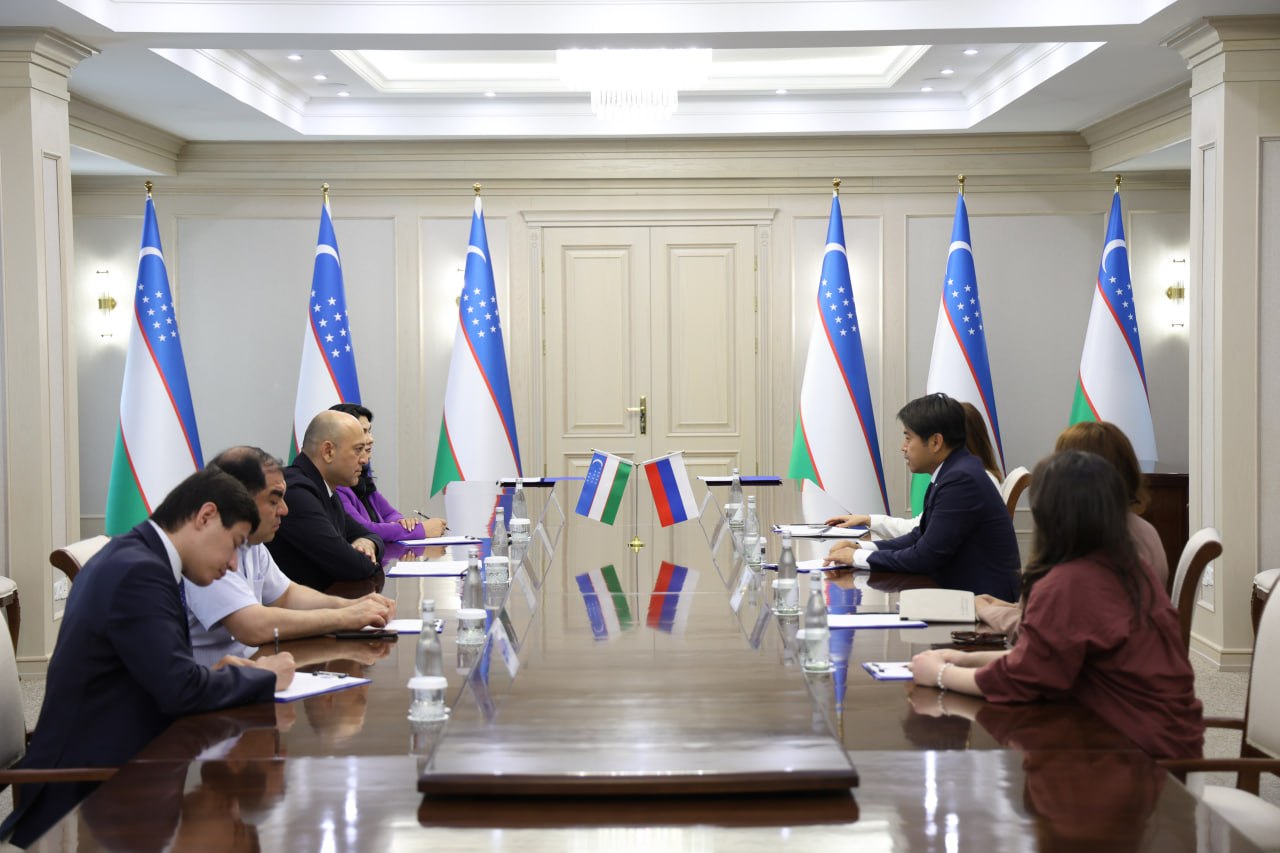
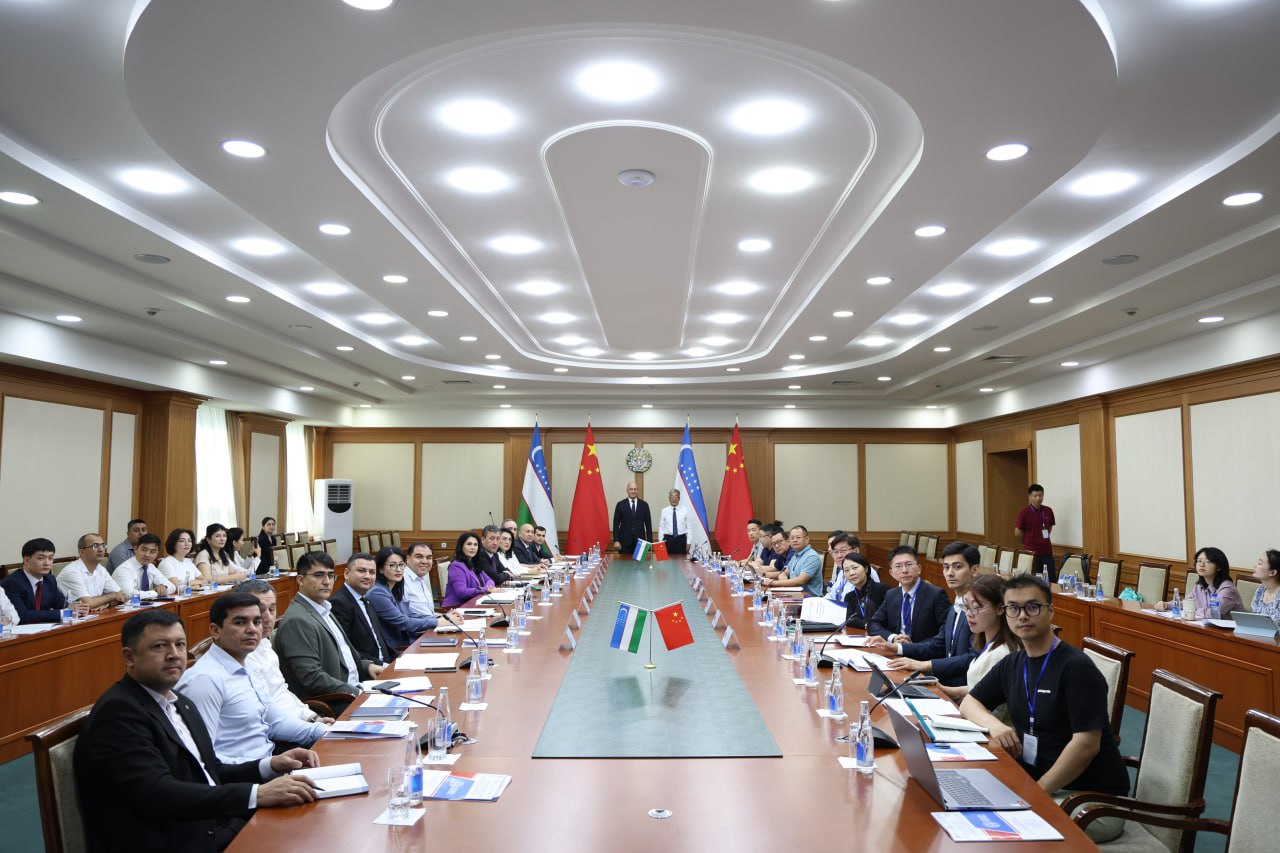
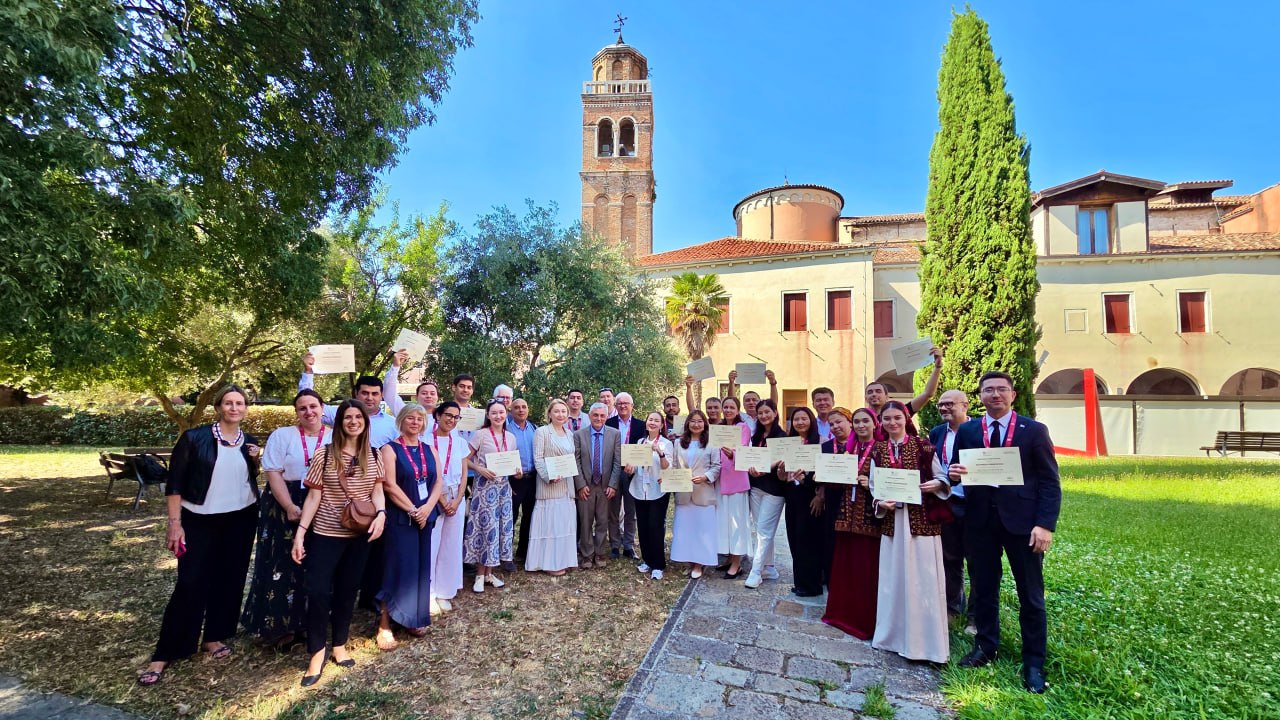
The Academy has established productive partnerships with several international organizations, institutions, and representative offices of foundations. These relationships support the modernization of public administration systems, improve the performance of local governments, and facilitate the exchange of best practices in governance.
In its international cooperation strategy, the Academy places particular emphasis on collaboration with foreign universities and research centers through agreements and memoranda. The main goal of this cooperation is to study and implement international best practices in the field of public administration.